Harlem Shuffle
Colson Whitehead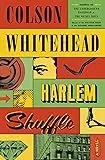
My 7 highlights
-
Once they got Freddie out of the way, Carney and his aunt did what relatives and friends do sometimes—pretended that time and circumstance had not sent them down different paths, and that they were as close as they had ever been. The performance was easy for Carney; he was scheming so much these days. For his aunt, it was likely a welcome refuge.
-
“You call that a seasonal view,” Alma said. She’d been pouting ever since John had refused “a hug for Grandma.” In general John was compliant when it came to grown-ups’ unearned demands for affection, so Carney took it as a sign of good character.
-
The stairwell creaked in such a way that if it collapsed, no one could say there’d been no warning.
-
Out of the Zenith hi-fi shook crazy saxophone stuff from the Village. Freddie could have identified who was playing, and on what basement bebop nights he’d seen them, but whenever Carney heard those sounds he felt trapped in a room of lunatics.
-
547 Riverside Drive faced the park on a stretch that was quiet more often than not. Until they moved, the Carneys had no inkling of how shallow the elevated train had kept their sleep. As with many things in the city—traffic noise below, quarrelsome neighbors above, a dark walk from the corner to your front door—its effect was unmeasurable until it was gone.
-
Part of moving up in the world is realizing how much shit you used to eat.
-
“What do you think?” It looked okay. “It looks great,” Carney said. Business was slow anyway.