James: A Novel
Percival Everett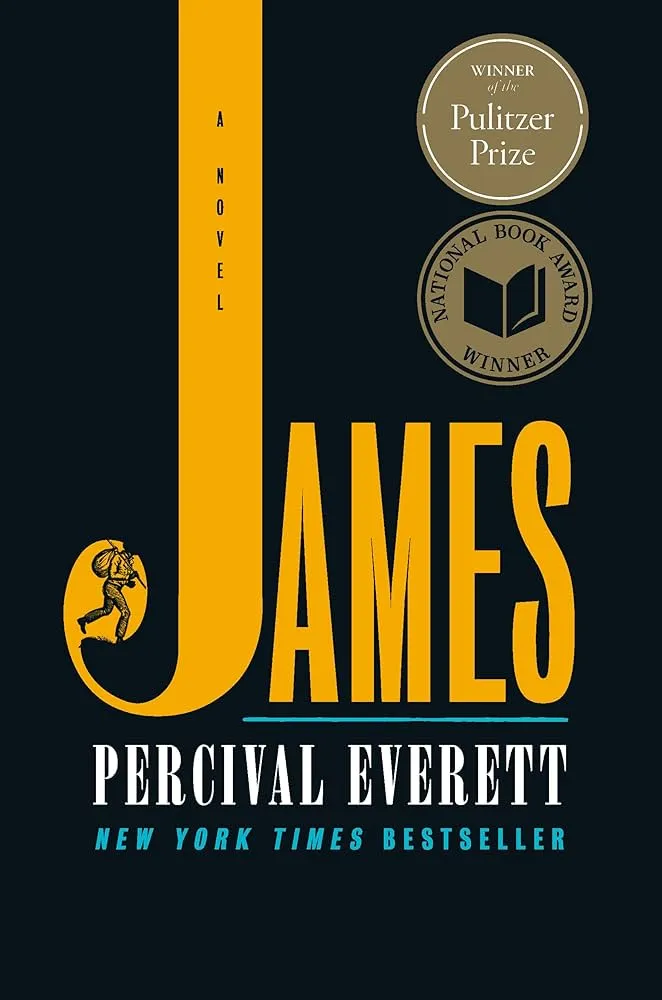
My 4 highlights
-
And then there was John Locke again, appearing to me, if for no other reason than to show me that my life was in jeopardy. “You, again,” I said. “Have you come to continue your defense of condoning slavery?” “Imagine it all as a state of war,” Locke said. “You have been conquered, and so as long as the war continues, you shall be a slave.” “When does the war end?” I asked. “Does it end? That’s the question. Who gets to say that it’s over? A war continues until the victor says it’s over.” “If I am in a war, then I have the right to fight back. That follows, doesn’t it? I have a right, perhaps a duty, to kill my enemy.” “Well, now.” “My enemy is those who would kill me. Am I correct, John?” “Well, now.”
-
“Easter, do you remember when you first arrived here?” “Here with Wiley or here in hell?” “Hell.” “I don’t remember much of my home, but I remember the ship. I remember the abuse. I remember the splashing. You?” “Born in hell. Sold before my mother could hold me.” “You’re not holding the hammer square,” Easter said. “Sorry.” “If you’re not making mistakes, you’re not learning.”
-
I was as much scared as angry, but where does a slave put anger? We could be angry with one another; we were human. But the real source of our rage had to go without address, swallowed, repressed.
-
A man who refused to own slaves but was not opposed to others owning slaves was still a slaver, to my thinking.